
Top 10 Most Beautiful Animals on Earth
List of Top 10 Most Beautiful Animals on Earth – The natural world is home to millions of incredible species, each possessing unique characteristics that contribute to Earth’s extraordinary biodiversity. While every animal plays an essential role in maintaining ecological balance, some stand out because of their breathtaking beauty. From brilliantly colored birds and majestic big cats to delicate butterflies and graceful aquatic creatures, these animals captivate people with their vibrant colors, elegant movements, and fascinating adaptations.
Beauty in the animal kingdom goes far beyond appearance. Bright feathers can attract mates, intricate patterns help camouflage predators, and unique body structures often evolve to improve survival. Scientists have long studied these remarkable traits, discovering that nature combines aesthetics with functionality in extraordinary ways.
In this article, we’ll explore the Top 10 Most Beautiful Animals on Earth, beginning with three remarkable species that have earned worldwide admiration. You’ll discover detailed information about their physical appearance, habitats, diets, behaviors, conservation efforts, and the unique qualities that make each one a masterpiece of evolution.
1. Peacock (Indian Peafowl)

Peacock (Indian Peafowl)
Few animals symbolize beauty quite like the peacock. Native to the Indian subcontinent, the Indian Peafowl (Pavo cristatus) is renowned for its dazzling display of iridescent feathers that shimmer in shades of blue, emerald green, turquoise, and bronze. While both males and females belong to the same species, it is the male peacock that possesses the magnificent fan-shaped train that has fascinated humans for centuries.
The peacock’s extravagant feathers are not simply decorative—they serve an important role during courtship. During the breeding season, males spread their enormous trains into a spectacular fan and perform a rhythmic dance while vibrating the feathers to create a subtle rattling sound. This display helps attract females, who often choose mates based on the size, symmetry, and brightness of their plumage.
Peacocks are highly adaptable birds that thrive in forests, agricultural lands, and even near villages. Their omnivorous diet includes seeds, grains, berries, insects, termites, reptiles, and occasionally small snakes. Their ability to consume crop pests makes them beneficial to local ecosystems.
Despite their impressive appearance, peacocks are cautious and intelligent birds. They spend much of the day foraging on the ground but fly into tall trees at night to avoid predators. Their loud calls also serve as early warning signals for nearby wildlife when danger approaches.
The shimmering colors seen on a peacock’s feathers are not produced by pigments alone. Instead, microscopic crystal-like structures reflect light at different angles, creating the brilliant iridescent effect that changes depending on the viewer’s position.
Although the Indian Peafowl is currently classified as Least Concern by the International Union for Conservation of Nature (IUCN), habitat destruction and illegal hunting remain threats in some regions. Conservation efforts continue to protect their natural habitats and maintain healthy populations.
| Feature | Details |
|---|---|
| Scientific Name | Pavo cristatus |
| Common Name | Indian Peafowl |
| Habitat | Forests, grasslands, agricultural fields |
| Diet | Omnivore (seeds, insects, fruits, reptiles) |
| Lifespan | 15–20 years |
| Height | Up to 1.2 meters |
| Length | Up to 2.3 meters (including train) |
Why It is One of the Most Beautiful Animals
- Brilliant iridescent blue and green plumage
- Over 200 ornamental tail feathers
- Elegant courtship dance
- Unique “eye” patterns on the train
- Metallic colors that shimmer differently in sunlight
Interesting Facts
- Only males possess the spectacular ornamental train.
- A peacock sheds and regrows its train every year.
- Their feathers have inspired art, fashion, and architecture for centuries.
- Peacocks can fly surprisingly well despite their long tails.
Also check: Top 10 Richest Person in the World
2. White Bengal Tiger
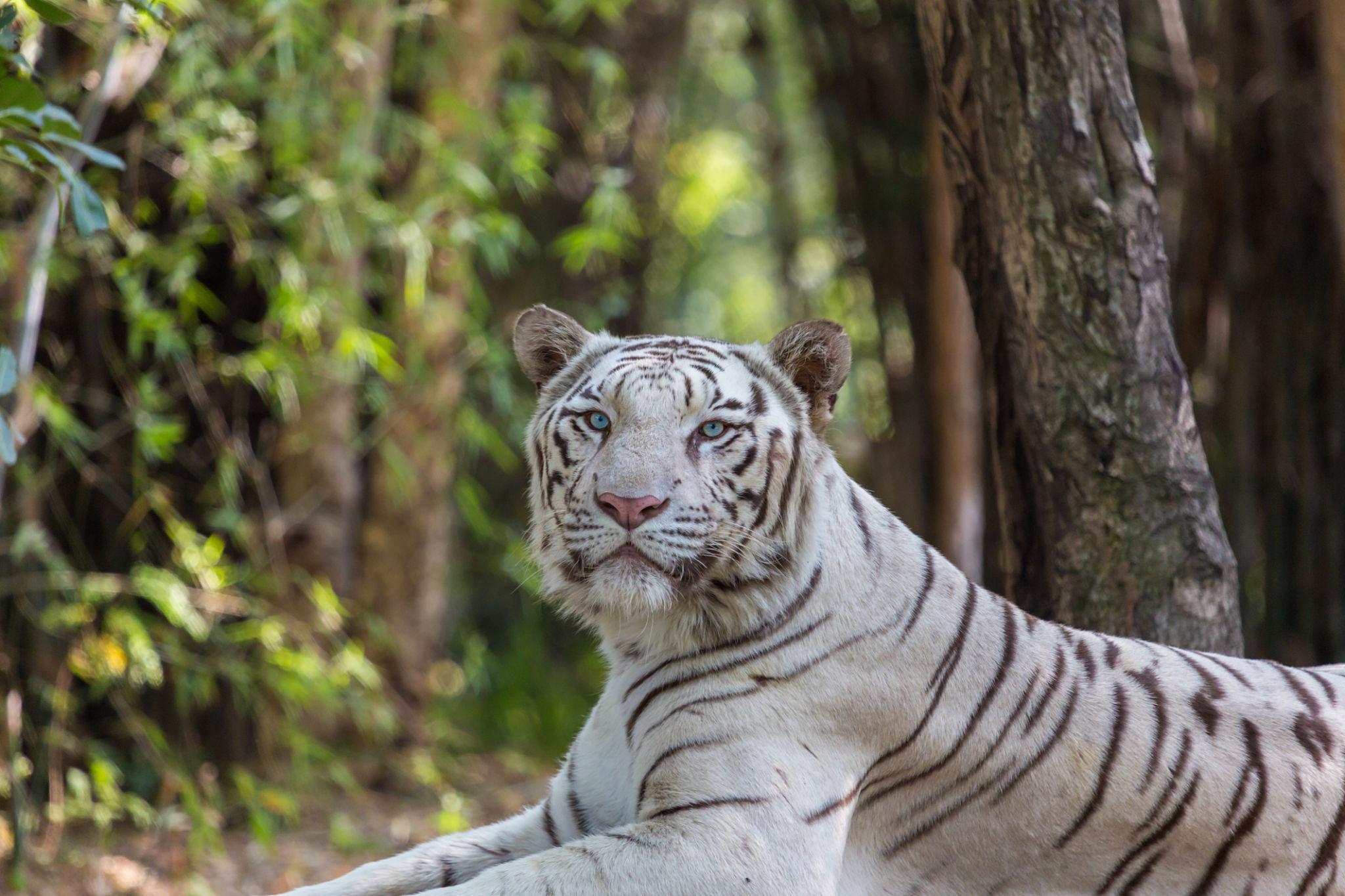
White Bengal Tiger
The White Bengal Tiger is one of the rarest and most mesmerizing big cats in the world. With its snow-white coat decorated by bold charcoal-black stripes and striking blue eyes, this magnificent predator appears almost mythical. Contrary to popular belief, White Bengal Tigers are not albinos. Their distinctive appearance results from a rare recessive genetic mutation that reduces the production of orange pigmentation while leaving the black stripes intact.
Beneath its beautiful exterior lies one of nature’s most powerful hunters. Adult males can weigh more than 250 kilograms and measure over three meters in length, making them formidable predators capable of taking down deer, wild boar, buffalo, and other large prey.
Originally, White Bengal Tigers occasionally appeared in the wild forests of India. Today, however, nearly all surviving individuals live in zoos, wildlife parks, or conservation breeding programs due to habitat loss and historical selective breeding.
White Bengal Tigers are solitary animals. They patrol large territories marked with scent and vocalizations, usually hunting alone during dawn or dusk. Their excellent night vision, powerful limbs, and silent movements make them highly efficient ambush predators.
Their luxurious white fur also creates a stunning contrast against dense forests and snowy environments, making them one of the most photographed big cats on Earth. While their coloration is visually spectacular, it can sometimes reduce camouflage in natural habitats compared to the typical orange Bengal Tiger.
Because White Bengal Tigers result from selective breeding, wildlife experts emphasize the importance of conserving genetically healthy populations of wild Bengal Tigers rather than focusing solely on white individuals. Protecting forests, reducing poaching, and preserving prey populations remain essential for the future of all Bengal Tigers.
| Feature | Details |
|---|---|
| Scientific Name | Panthera tigris tigris |
| Common Name | White Bengal Tiger |
| Habitat | Tropical forests, grasslands, reserves |
| Diet | Carnivore (deer, wild boar, buffalo) |
| Weight | 180–260 kg |
| Lifespan | 10–15 years (wild), up to 20 years (captivity) |
| Length | Up to 3.1 meters |
Why It is One of the Most Beautiful Animals
- Rare snow-white coat
- Intense blue eyes
- Bold black stripe pattern
- Powerful muscular build
- Regal and graceful appearance
Interesting Facts
- White coloration is caused by a rare recessive gene.
- They are not albinos because they retain black stripes and blue eyes.
- Their roar can be heard from several kilometers away.
- Each tiger’s stripe pattern is unique, much like human fingerprints.
3. Mandarin Duck
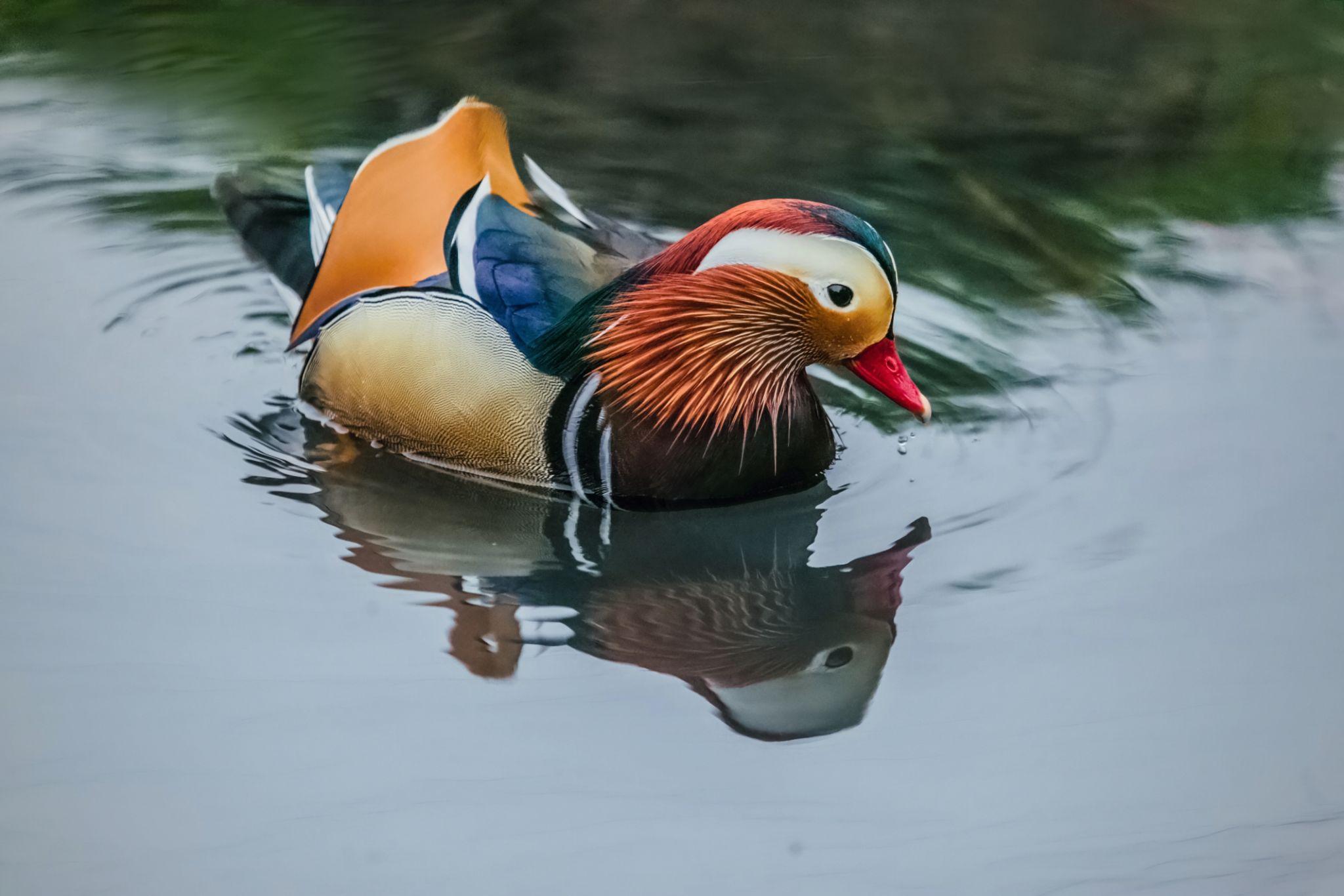
Mandarin Duck
The Mandarin Duck is often described as the world’s most beautiful duck, and one glance explains why. Native to East Asia, this extraordinary bird is famous for its dazzling combination of orange, purple, green, blue, white, black, and chestnut feathers. During the breeding season, males develop even brighter plumage, transforming into one of nature’s most colorful birds.
Unlike many waterfowl that display relatively simple coloration, the Mandarin Duck features an intricate arrangement of bold patterns and elegant feather shapes. Its distinctive orange “sail” feathers rise from its back, while its deep purple chest, emerald crown, crimson bill, and striking facial markings create an unforgettable appearance.
Mandarin Ducks inhabit wooded wetlands, rivers, lakes, and ponds surrounded by forests. Unlike many duck species, they frequently perch in trees using their strong claws and often nest inside tree cavities several meters above the ground.
Their diet is remarkably varied, consisting of aquatic plants, seeds, grains, insects, snails, frogs, and small fish. Seasonal food availability influences their feeding habits, allowing them to adapt successfully to changing environments.
These ducks are generally shy and peaceful but become highly active during courtship. Males perform graceful displays by raising their sail feathers, bobbing their heads, and swimming around females to demonstrate their health and vitality. Once paired, Mandarin Ducks often form strong seasonal bonds and work together to raise their young.
In Chinese, Japanese, and Korean cultures, Mandarin Ducks symbolize love, happiness, and lifelong devotion because of their strong pair bonds. They frequently appear in traditional paintings, wedding decorations, and folklore representing marital harmony.
Although global populations remain stable, habitat destruction, wetland loss, and illegal trapping threaten some regional populations. Conservation programs focus on preserving forest wetlands and protecting nesting sites to ensure these colorful birds continue thriving.
| Feature | Details |
|---|---|
| Scientific Name | Aix galericulata |
| Common Name | Mandarin Duck |
| Habitat | Forest wetlands, rivers, lakes |
| Diet | Omnivore (plants, seeds, insects, fish) |
| Length | 41–49 cm |
| Lifespan | 6–12 years |
| Weight | 500–700 g |
Why It is One of the Most Beautiful Animals
- Extraordinary rainbow-colored plumage
- Elegant orange sail feathers
- Intricate facial patterns
- Graceful swimming and courtship displays
- Symbol of love and harmony in Asian cultures
Interesting Facts
- Mandarin Ducks are excellent tree climbers.
- Ducklings leap from tree nests shortly after hatching without injury.
- They are among the few duck species that regularly perch on branches.
- Their vibrant breeding plumage is shed after the mating season, giving males a more subdued appearance.
4. Arctic Fox
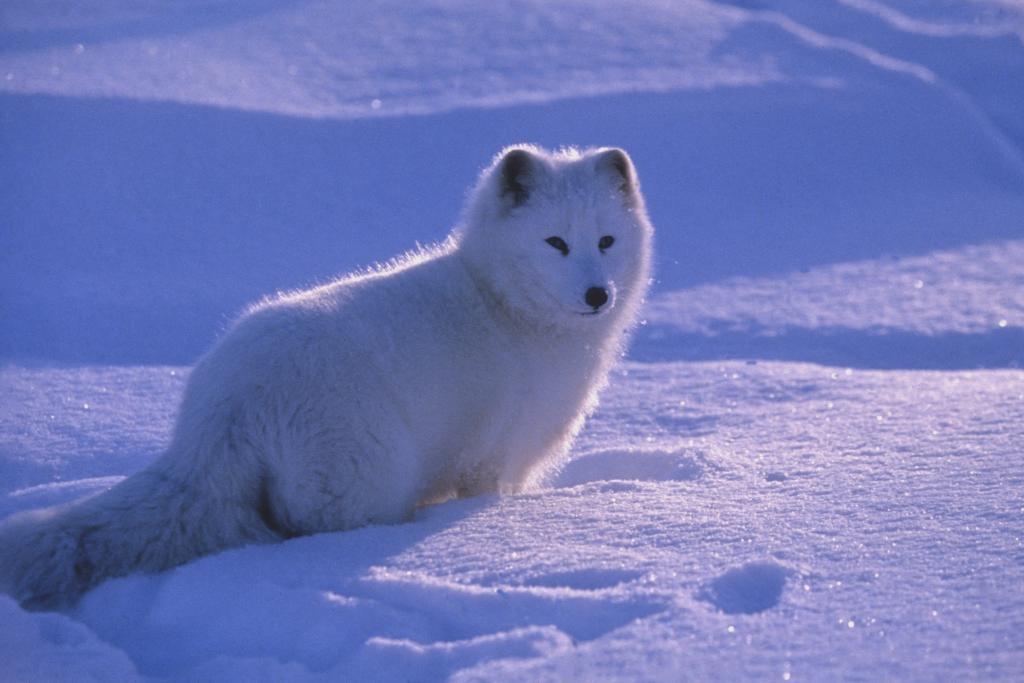
Arctic Fox
The Arctic Fox (Vulpes lagopus) is one of nature’s most remarkable examples of beauty combined with survival. Native to the frozen Arctic tundra, this small fox is admired for its luxurious white winter coat, bright intelligent eyes, and fluffy tail. Every feature of its body has evolved to withstand one of the harshest climates on Earth, where temperatures can plunge below −50°C (−58°F).
One of the Arctic Fox’s most fascinating characteristics is its seasonal coat change. During winter, its fur turns pure white, allowing it to blend seamlessly into snowy landscapes and avoid predators while stalking prey. As the snow melts in spring, its coat gradually changes to brown or gray, matching rocky tundra and vegetation. This natural camouflage is one of the most effective in the animal kingdom.
Despite its small size, the Arctic Fox is incredibly resilient. It has short ears, a compact body, and fur-covered footpads that minimize heat loss. Its thick coat is considered the warmest of any wild mammal relative to body size. Even its bushy tail serves multiple purposes, acting as a blanket that wraps around its face while sleeping to conserve body heat.
Arctic Foxes are opportunistic omnivores. Their diet primarily includes lemmings, voles, Arctic hares, birds, eggs, fish, insects, and berries. When food becomes scarce, they often follow polar bears, feeding on leftovers from seal carcasses. They are also known to cache excess food beneath the snow, allowing them to survive long winters when hunting opportunities are limited.
These foxes are generally monogamous, with breeding pairs raising pups together in extensive underground dens. Some dens have been used by generations of fox families for hundreds of years and may contain multiple entrances, offering protection from predators and harsh weather.
Although Arctic Fox populations remain relatively stable in many northern regions, climate change presents an increasing challenge. Rising temperatures reduce snow cover, making camouflage less effective while allowing the larger Red Fox to expand northward, increasing competition for food and territory. Conservationists continue monitoring populations and protecting fragile Arctic ecosystems to ensure the species’ long-term survival.
| Feature | Details |
|---|---|
| Scientific Name | Vulpes lagopus |
| Common Name | Arctic Fox |
| Habitat | Arctic tundra, coastal regions, ice fields |
| Diet | Omnivore (lemmings, birds, fish, berries, insects) |
| Length | 46–68 cm |
| Weight | 3–9 kg |
| Lifespan | 3–6 years in the wild; up to 14 years in captivity |
Physical Appearance
- Thick, dense fur that changes color seasonally
- Compact body with short legs and ears
- Bright eyes and pointed muzzle
- Large bushy tail for warmth and balance
- Fur-covered paws for insulation
Behavior
- Mostly active during dawn and dusk
- Excellent hunter with acute hearing
- Stores extra food beneath snow
- Travels long distances searching for food
- Lives in family groups during breeding season
Why It is One of the Most Beautiful Animals
- Stunning snow-white winter coat
- Fluffy appearance throughout the year
- Seasonal color transformation
- Graceful movement across snowy landscapes
- Bright, expressive eyes
Interesting Facts
- The Arctic Fox can survive temperatures below −50°C.
- It can hear lemmings moving beneath thick snow.
- Some individuals travel more than 3,000 kilometers in search of food.
- Its fur is so insulating that it rarely shivers, even in extreme cold.
5. Scarlet Macaw
The Scarlet Macaw (Ara macao) is one of the most spectacular birds found in the tropical rainforests of Central and South America. Instantly recognizable by its brilliant red body complemented by vibrant yellow and blue wings, this magnificent parrot represents the incredible diversity and beauty of rainforest ecosystems.
Growing up to 90 centimeters (35 inches) in length, Scarlet Macaws are among the largest parrots in the world. Their long, elegant tails, powerful curved beaks, and colorful plumage make them favorites among wildlife photographers and bird enthusiasts alike. Their feathers are naturally waterproof, helping them remain healthy despite the humid rainforest climate.
Scarlet Macaws inhabit dense tropical forests, particularly near rivers and forest edges where food is abundant. They spend much of their lives in the forest canopy, flying gracefully between towering trees while producing loud calls that can be heard several kilometers away.
Their diet mainly consists of fruits, nuts, seeds, berries, flowers, and leaves. One of their unique behaviors involves visiting clay banks, known as “clay licks,” where they consume mineral-rich clay believed to neutralize toxins found in certain fruits and seeds. This fascinating adaptation allows them to safely consume foods that many other animals cannot.
Scarlet Macaws are highly intelligent and social birds. They usually form lifelong pair bonds and communicate using a wide variety of calls, body language, and feather displays. Mated pairs often groom each other’s feathers, strengthen social bonds, and cooperate while raising their chicks.
Their intelligence rivals that of some primates. They can solve complex puzzles, recognize patterns, and even imitate human speech in captivity. In the wild, they learn survival skills from their parents and remain with family groups for extended periods.
Unfortunately, Scarlet Macaws face threats from illegal pet trade, deforestation, and habitat fragmentation. Conservation organizations are actively restoring rainforest habitats and implementing breeding programs to support declining populations. Responsible ecotourism also plays an important role in funding conservation efforts across their native range.
| Feature | Details |
|---|---|
| Scientific Name | Ara macao |
| Common Name | Scarlet Macaw |
| Habitat | Tropical rainforests |
| Diet | Fruits, nuts, seeds, flowers, berries |
| Length | 81–96 cm |
| Weight | 900–1,200 g |
| Lifespan | 40–60 years (sometimes longer) |
Physical Appearance
- Brilliant scarlet-red body
- Bright yellow and blue wings
- Long colorful tail feathers
- Large ivory-colored curved beak
- White facial skin with delicate feather lines
Behavior
- Highly social and vocal
- Forms lifelong pair bonds
- Flies long distances daily
- Uses clay licks for detoxification
- Intelligent problem solver
Why It is One of the Most Beautiful Animals
- One of the brightest birds on Earth
- Perfect combination of red, blue, and yellow feathers
- Graceful flight with a wingspan over one meter
- Elegant long tail
- Striking facial features
Interesting Facts
- Scarlet Macaws can live for more than 60 years.
- Their beaks are strong enough to crack hard palm nuts.
- They communicate using dozens of distinct vocal calls.
- Wild pairs often stay together for life.
6. Snow Leopard
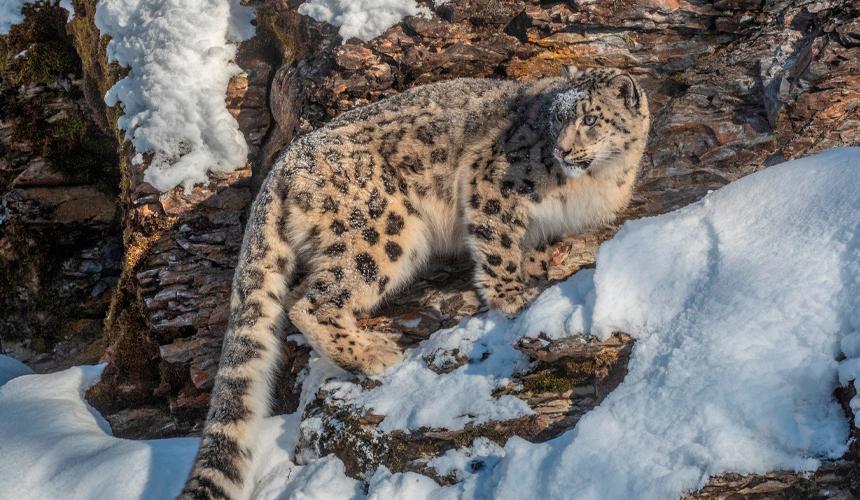
Snow Leopard
Often called the “Ghost of the Mountains,” the Snow Leopard (Panthera uncia) is one of the most mysterious and breathtaking big cats on Earth. Living high in the rugged mountain ranges of Central and South Asia, this elusive predator combines incredible strength with unmatched elegance. Its thick smoky-gray coat covered in dark rosettes provides perfect camouflage against rocky cliffs and snow-covered slopes, making it one of nature’s most beautiful hunters.
Snow Leopards inhabit elevations ranging from 3,000 to over 5,500 meters, where oxygen levels are low and winters are harsh. Their powerful build enables them to navigate steep cliffs with remarkable agility. Long hind legs allow them to leap distances of up to 15 meters, while their exceptionally long tail provides balance during dangerous climbs and also serves as a warm scarf during freezing nights.
Unlike lions or wolves, Snow Leopards are solitary animals. They patrol vast mountain territories and rely on stealth rather than speed when hunting. Their primary prey includes blue sheep, ibex, Himalayan tahr, marmots, and other mountain mammals. They often stalk prey for hours before launching a perfectly timed ambush.
One of the Snow Leopard’s most distinctive features is its luxurious fur, which can grow up to five centimeters thick. This dense coat insulates the animal against extreme cold while creating the beautiful silvery appearance that has fascinated wildlife enthusiasts worldwide.
Despite their formidable hunting abilities, Snow Leopards are shy and rarely attack humans. Their secretive nature makes them one of the hardest big cats to observe in the wild, adding to their legendary status among photographers and researchers.
Sadly, Snow Leopards are classified as Vulnerable due to habitat fragmentation, climate change, illegal hunting, and declining prey populations. Numerous international conservation programs now work with local communities to reduce conflicts between livestock farmers and Snow Leopards while protecting their fragile mountain habitats.
| Feature | Details |
|---|---|
| Scientific Name | Panthera uncia |
| Common Name | Snow Leopard |
| Habitat | High mountains of Central and South Asia |
| Diet | Carnivore (ibex, blue sheep, marmots) |
| Length | 100–130 cm |
| Weight | 22–55 kg |
| Lifespan | 12–17 years in the wild |
Physical Appearance
- Thick smoky-gray fur
- Black rosette patterns
- Long fluffy tail
- Powerful muscular legs
- Pale green or gray eyes
Behavior
- Solitary and highly elusive
- Excellent climber
- Hunts using stealth and ambush
- Mostly active during dawn and dusk
- Travels vast mountain territories
Why It is One of the Most Beautiful Animals
- Elegant silver-gray coat
- Perfect camouflage among snowy mountains
- Graceful, cat-like movements
- Piercing eyes
- Long luxurious tail
Interesting Facts
- Snow Leopards cannot roar like lions or tigers.
- They can leap nearly 15 meters in a single bound.
- Their tails can be almost as long as their bodies.
- They are among the least-seen big cats in the wild.
7. Clownfish
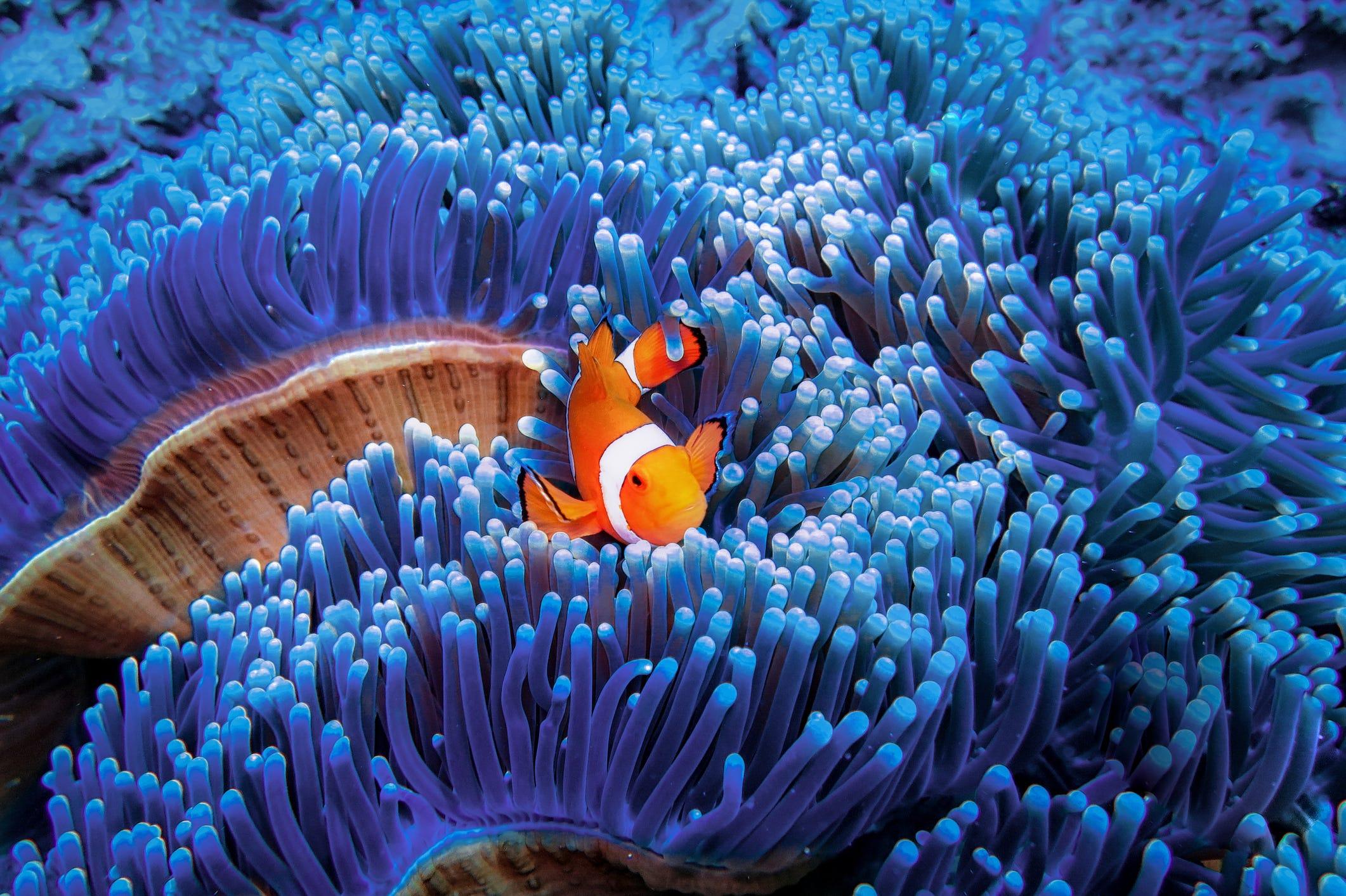
Clownfish
The Clownfish (Amphiprioninae) is one of the most recognizable marine animals in the world. Its vibrant orange body, bold white stripes outlined in black, and fascinating relationship with sea anemones make it one of the ocean’s most beautiful and intriguing fish. Although it became globally famous through popular films, marine biologists have admired this remarkable species for decades because of its unique survival strategies and colorful appearance.
There are around 30 recognized species of clownfish, most of which inhabit the warm tropical waters of the Indian and Pacific Oceans. They are commonly found around coral reefs stretching from the Red Sea to Australia and Southeast Asia. Unlike many reef fish that constantly roam the ocean, clownfish spend most of their lives within the protective tentacles of sea anemones.
This partnership is one of the best-known examples of mutualism in nature. The anemone’s tentacles contain venom capable of stinging most fish, but clownfish are protected by a special mucus coating on their skin. In return for shelter, clownfish defend the anemone from predators, remove parasites, and even improve water circulation by constantly swimming through its tentacles.
Clownfish primarily feed on algae, plankton, tiny crustaceans, and leftover food captured by their host anemones. They are active during daylight hours and are highly territorial, especially when protecting their home from intruders.
One of the clownfish’s most fascinating biological traits is its ability to change sex. Every clownfish group has a dominant breeding female, a breeding male, and several smaller non-breeding males. If the female dies, the dominant male undergoes a natural sex change and becomes the new breeding female, while another male assumes the breeding role.
Although many clownfish populations remain stable, coral reef degradation caused by climate change, pollution, and ocean acidification poses a growing threat. Healthy coral reef ecosystems are essential for their survival, making marine conservation increasingly important.
| Feature | Details |
|---|---|
| Scientific Name | Amphiprioninae |
| Common Name | Clownfish |
| Habitat | Coral reefs and sea anemones |
| Diet | Omnivore (algae, plankton, crustaceans) |
| Length | 7–16 cm |
| Weight | Up to 250 g |
| Lifespan | 6–10 years |
Physical Appearance
- Bright orange body
- Three distinctive white bands
- Thin black outlines around stripes
- Rounded fins
- Small, streamlined body
Behavior
- Lives in symbiosis with sea anemones
- Highly territorial
- Active during daylight
- Lives in organized social groups
- Excellent swimmer among coral reefs
Why It is One of the Most Beautiful Animals
- Bright contrasting colors
- Unique striped pattern
- Graceful underwater movements
- Vibrant appearance against coral reefs
- Charming social behavior
Interesting Facts
- Clownfish are immune to sea anemone stings.
- They can naturally change sex during their lifetime.
- Each group follows a strict social hierarchy.
- They rarely stray far from their host anemone.
8. Blue Morpho Butterfly
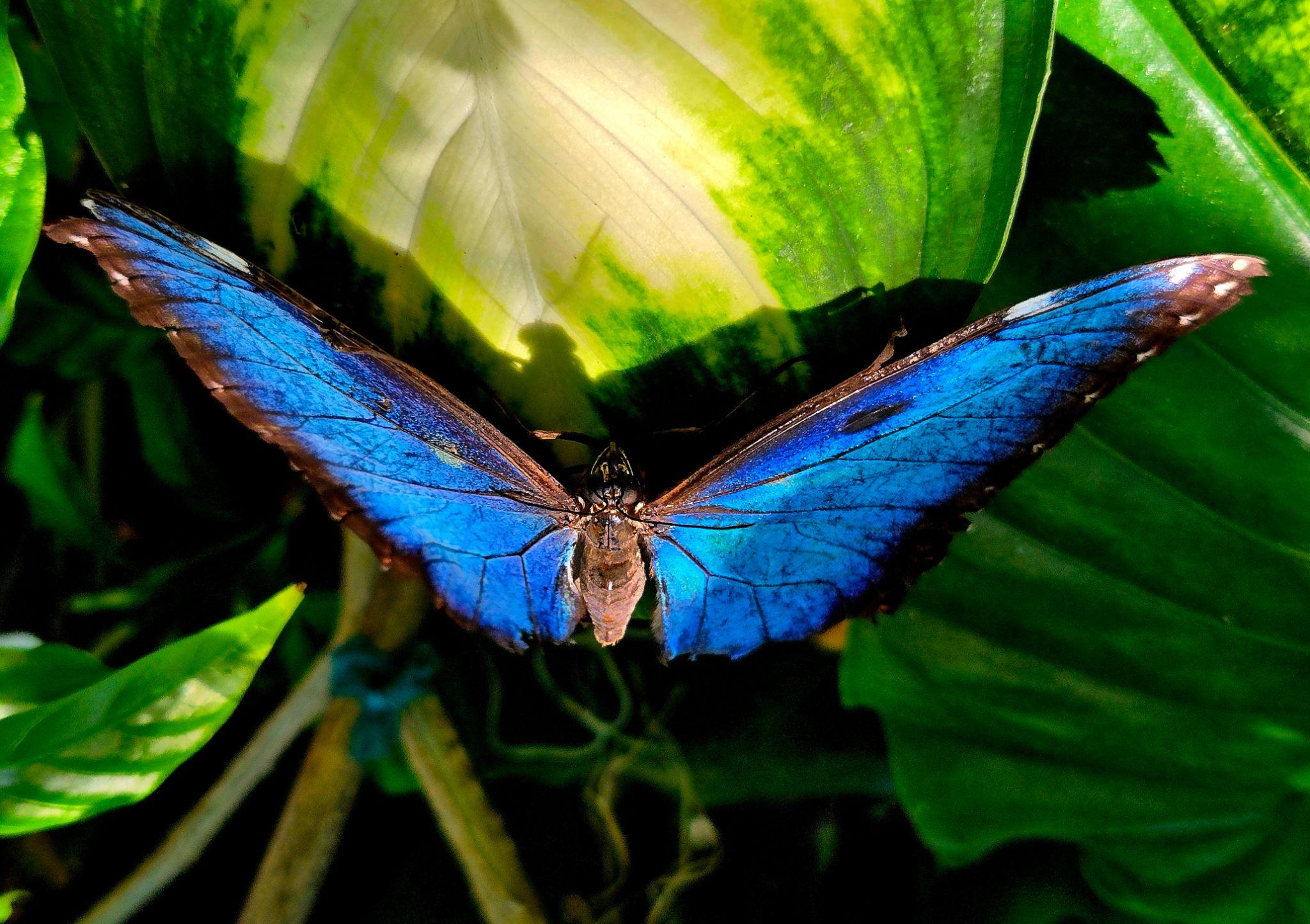
Blue Morpho Butterfly
The Blue Morpho Butterfly (Morpho menelaus) is widely regarded as one of the most spectacular butterflies on Earth. Found throughout the tropical rainforests of Central and South America, the Blue Morpho Butterfly is famous for its stunning metallic-blue wings that sparkle brilliantly in the sunlight. Its extraordinary appearance has captivated scientists, wildlife photographers, and nature lovers for decades.
Interestingly, the vivid blue color is not produced by pigment. Instead, microscopic scales on the wings reflect light in a phenomenon known as structural coloration, creating an iridescent effect that changes depending on the viewing angle. When the butterfly closes its wings, however, the underside reveals a brown surface decorated with numerous eye spots that help camouflage it from predators.
Blue Morpho butterflies inhabit dense rainforest environments where humidity remains consistently high. They spend much of their time flying slowly through forest clearings or resting on leaves. Their graceful, floating flight makes flashes of brilliant blue appear and disappear among the trees, creating one of nature’s most magical sights.
Adult butterflies primarily feed on fermented fruits, tree sap, fungi, and flower nectar. Unlike many butterfly species that rely solely on nectar, Blue Morphos also obtain nutrients from decaying organic matter, helping them survive in diverse rainforest habitats.
Their life cycle begins as tiny pale-green eggs laid beneath host plant leaves. After hatching, caterpillars spend several weeks feeding before forming protective chrysalises. Eventually, the magnificent adult butterfly emerges with soft folded wings that gradually expand and harden before its first flight.
Although Blue Morpho butterflies remain relatively common, ongoing deforestation threatens many rainforest ecosystems they depend upon. Preserving tropical forests not only protects these butterflies but also countless other species that share the same habitat.
| Feature | Details |
|---|---|
| Scientific Name | Morpho menelaus |
| Common Name | Blue Morpho Butterfly |
| Habitat | Tropical rainforests |
| Diet | Fruit, sap, nectar, fungi |
| Wingspan | 12–20 cm |
| Lifespan | Around 4–6 weeks (adult stage) |
Physical Appearance
- Brilliant iridescent blue wings
- Brown underside with eye spots
- Large wingspan
- Delicate black wing edges
- Slender body
Behavior
- Slow, graceful flight
- Mostly active during the day
- Rests on tree trunks and leaves
- Uses camouflage when wings are closed
- Attracted to fallen fruit
Why It is One of the Most Beautiful Animals
- Brilliant metallic blue coloration
- Flashing iridescent wings
- Elegant floating flight
- Large impressive wingspan
- Extraordinary structural coloration
Interesting Facts
- Its blue color contains no actual blue pigment.
- The eye spots confuse birds and other predators.
- Scientists study its wing structure for advanced optical technologies.
- It spends most of its life as a caterpillar.
9. Red Panda
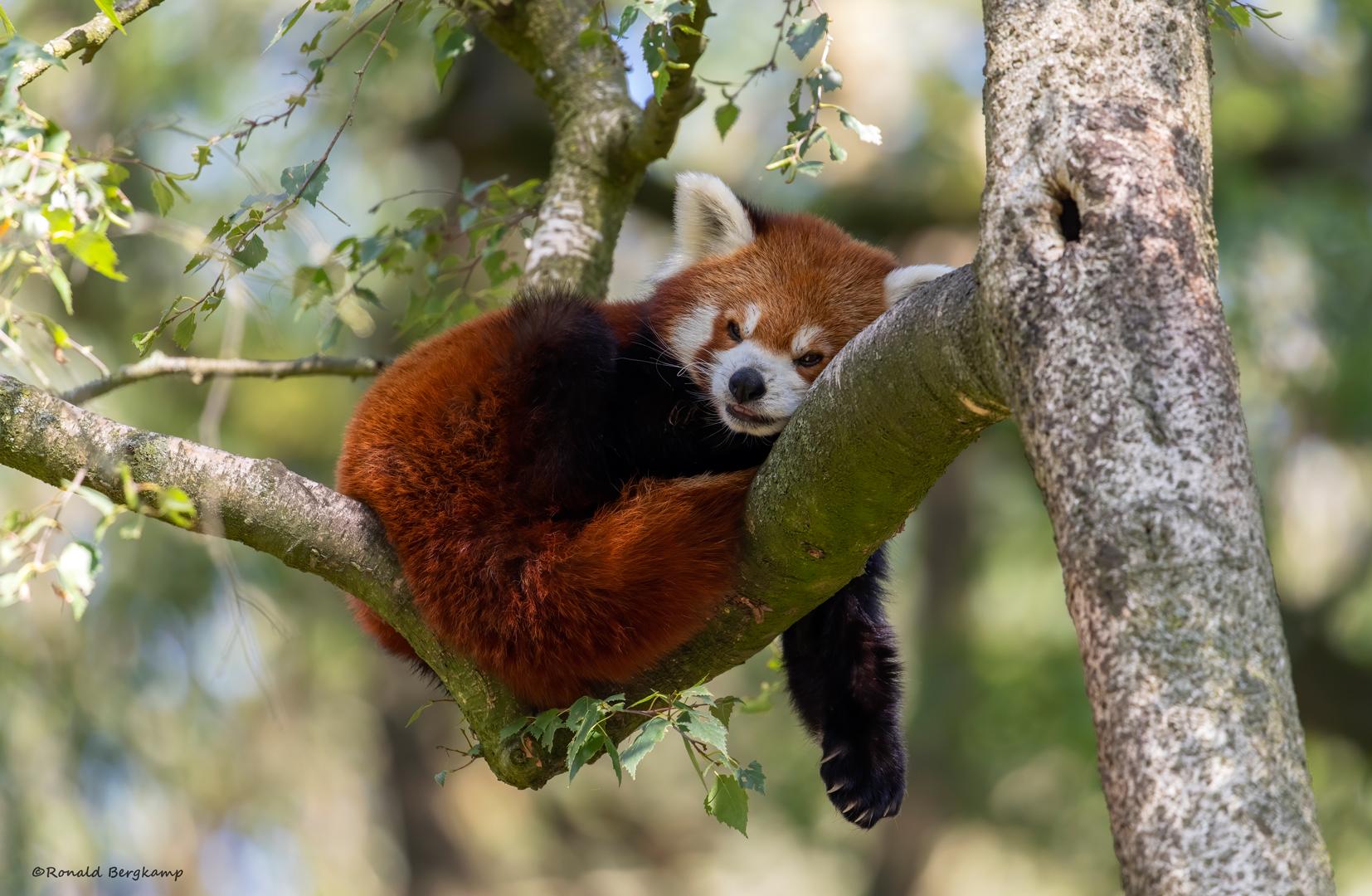
Red Panda
The Red Panda (Ailurus fulgens) is one of the world’s most adorable mammals. With its soft reddish-brown fur, bushy ringed tail, white facial markings, and playful personality, it has become one of the most beloved animals among wildlife enthusiasts. Despite its name, the Red Panda is not closely related to the Giant Panda but belongs to its own unique animal family.
Native to the temperate forests of the eastern Himalayas and southwestern China, Red Pandas spend much of their lives high in the trees. Their semi-retractable claws and flexible ankle joints allow them to climb with remarkable agility, making them excellent arboreal animals.
Although classified as carnivores, Red Pandas consume a diet dominated by bamboo leaves and shoots. They also eat berries, fruits, mushrooms, insects, bird eggs, and occasionally small mammals. Because bamboo contains relatively little energy, Red Pandas conserve energy by sleeping or resting for much of the day.
These gentle animals are generally solitary, becoming more social only during the breeding season. They communicate using scent markings, whistles, and body language while maintaining territories throughout the forest.
The Red Panda’s thick fur provides insulation against cool mountain climates, while its fluffy tail serves as both a blanket during cold weather and a balancing tool when climbing branches. Their expressive faces and curious behavior have made them internet favorites and ambassadors for wildlife conservation.
Unfortunately, Red Pandas are currently listed as Endangered due to habitat destruction, illegal pet trade, and fragmentation of bamboo forests. Conservation organizations continue protecting mountain habitats and educating local communities about the importance of preserving these remarkable animals.
| Feature | Details |
|---|---|
| Scientific Name | Ailurus fulgens |
| Common Name | Red Panda |
| Habitat | Himalayan temperate forests |
| Diet | Bamboo, berries, insects, eggs |
| Length | 50–64 cm |
| Weight | 3–6 kg |
| Lifespan | 8–15 years |
Physical Appearance
- Soft reddish-brown fur
- White facial markings
- Long ringed tail
- Small rounded ears
- Sharp climbing claws
Behavior
- Mostly solitary
- Excellent tree climber
- Sleeps during the hottest hours
- Active at dawn and dusk
- Uses scent to mark territory
Why It is One of the Most Beautiful Animals
- Fluffy red coat
- Adorable facial features
- Long bushy striped tail
- Gentle personality
- Agile tree-climbing abilities
Interesting Facts
- Red Pandas have a “false thumb” for gripping bamboo.
- They spend most of their lives in trees.
- They wrap their tails around themselves to stay warm.
- Fewer than 10,000 mature individuals remain in the wild.
10. Swan

Swan
The Swan (Cygnus species) has long been admired as one of the most graceful and elegant birds in the natural world. Known for its pristine white plumage, long curved neck, and effortless movements across calm waters, the swan symbolizes beauty, purity, and lifelong love in cultures around the globe.
Swans inhabit freshwater lakes, rivers, wetlands, and coastal lagoons throughout Europe, Asia, North America, and Australia. Depending on the species, they may migrate thousands of kilometers between breeding and wintering grounds.
Their diet mainly consists of aquatic vegetation, algae, grasses, roots, and small aquatic invertebrates. Swans use their long necks to reach underwater plants while gracefully gliding across lakes and ponds.
One of the most admired aspects of swan behavior is their strong pair bonds. Many species mate for life, raising cygnets together and fiercely protecting their nests from predators. During courtship, pairs often perform synchronized swimming and neck movements that have become iconic symbols of romance.
Although swans appear gentle, they are powerful birds capable of defending themselves and their offspring. Their large wings can produce impressive displays during territorial encounters.
Many swan populations remain healthy thanks to wetland conservation efforts, though habitat degradation, pollution, and collisions with power lines continue to threaten certain regional populations.
| Feature | Details |
|---|---|
| Scientific Name | Cygnus spp. |
| Common Name | Swan |
| Habitat | Lakes, rivers, wetlands |
| Diet | Aquatic plants, algae, invertebrates |
| Wingspan | Up to 3.1 meters |
| Weight | 8–15 kg |
| Lifespan | 20–30 years |
Physical Appearance
- Pure white feathers (most species)
- Long elegant neck
- Broad powerful wings
- Bright orange or black bill (species dependent)
- Large graceful body
Behavior
- Forms lifelong pair bonds
- Excellent swimmer
- Seasonal migrant
- Highly protective parents
- Communicates through calls and displays
Why It is One of the Most Beautiful Animals
- Elegant posture
- Smooth, graceful movement
- Snow-white plumage
- Symbol of love and purity
- Majestic flight
Interesting Facts
- Swans are among the largest flying birds.
- Young swans are called cygnets.
- Some species migrate thousands of kilometers each year.
- Their heart-shaped neck pose has become a universal symbol of romance.
Frequently Asked Questions (FAQs)
1. Which animal is considered the most beautiful in the world?
The peacock is often regarded as the most beautiful animal because of its dazzling iridescent tail feathers, although beauty is subjective and varies by personal preference.
2. Why do some animals have such vibrant colors?
Bright colors can attract mates, deter predators, provide camouflage, or help animals communicate with members of their own species.
3. Are all beautiful animals endangered?
No. While some, such as the Red Panda, face significant conservation challenges, others like the Peacock and many Swan species have stable populations.
4. Which is the most colorful bird in the world?
The Scarlet Macaw, Mandarin Duck, and Peacock are widely recognized as some of the most colorful birds on Earth.
5. Which animal changes its appearance with the seasons?
The Arctic Fox is a prime example, changing from a white coat in winter to brown or gray fur during summer for camouflage.


